
Neck and Shoulder Stretches for Tight Traps and Trigger Points
Neck and Shoulder Stretches can help with tight traps, trigger points, desk tension, and shoulder stress when you use them the right way. However, the latest science does not say to stretch harder and harder. Instead, it points toward a smarter mix of gentle stretching, neck control, shoulder blade strength, movement breaks, breathing, and practical self-massage tools.
I’m Nicola, a licensed massage therapist in Santa Barbara with nearly two decades of hands-on experience. At Riktr, I write about massage, health, fitness, recovery, and realistic self-care. This guide is for people who feel that familiar upper-trap grip: the neck feels tight, the shoulders creep up, and the spots near the top of the shoulder feel sore, ropey, or full of trigger points.
The big idea is simple. Your traps are not “bad.” In many cases, they are overworked, under-recovered, and stuck doing jobs that other muscles should help with. So, Neck and Shoulder Stretches can help, but they work better when you also train the neck and shoulder blades to share the load.
Why Tight Traps Happen
Tight traps often come from stress, long sitting, poor recovery, weak support muscles, shallow breathing, and repeated shoulder tension.
The upper trapezius runs from the neck and base of the skull toward the top of the shoulder. It helps move and support the shoulder blade. Also, it reacts strongly to stress, posture, and breathing patterns.
If you sit at a computer, drive a lot, lift heavy, sleep poorly, scroll on your phone, clench your jaw, or train hard without enough recovery, the upper traps may stay turned on too long. Over time, they can feel tight, sore, and tender.
Many people blame posture alone. Posture can matter, but it is not the whole story. Pain is usually more complex. For example, stress, sleep, strength, movement habits, old injuries, workload, and nervous system sensitivity can all play a role.
What Trigger Points Feel Like
Trigger points often feel like tender knots that can refer pain into the neck, shoulder, head, or upper back.
Upper-trap trigger points can feel like small hard spots, sore bands, or tender areas that make you say, “That’s the spot.” They may cause local pain. However, they can also refer pain toward the side of the neck, behind the ear, around the temple, or across the shoulder.
Not every tight spot is a trigger point. Sometimes the tissue is simply sensitive. At other times, the nervous system is protective. In addition, the area may be irritated because it has been doing too much work for too long.
That is why I do not like aggressive “destroy the knot” work. If you smash the area too hard, the body may guard more. A better plan is to calm the tissue, improve movement, and build support around the neck and shoulders.
What the Latest Science Suggests
The strongest long-term support is for exercise, strength, movement control, and active self-care. Stretching and manual therapy can help, but they work best as part of a bigger plan.
Current neck-pain guidance supports exercise therapy for chronic neck pain. Manual therapy may also help, especially when paired with exercise. In addition, recent research on shoulder blade therapy suggests that better shoulder blade support may reduce pain in some people with chronic neck pain.
Newer reviews also point to neck control work as useful. This includes deep neck flexor training, gentle strength, and better awareness of head and shoulder position.
So, the best plan is not just “stretch the traps.” A smarter plan is:
- Gently stretch the overworked areas
- Strengthen the deep neck muscles
- Train the shoulder blades
- Take breaks from fixed posture
- Use pressure tools carefully
- Improve sleep, breathing, and recovery
- Get professional help when symptoms are stubborn or severe
Helpful research and guidance:
- Clinical practice guideline for nonspecific neck pain
- Manual physical therapy for neck disorders: umbrella review
- Scapular treatment and chronic neck pain review
- Exercise therapy and cervical proprioception review
- Upper trapezius self-stretching research

The Best Neck and Shoulder Stretches for Tight Traps
The best stretches are gentle, repeatable, and paired with strength. Do not force the neck.
Before you stretch, remember this rule: neck stretching should feel like a mild pull, not sharp pain. You should be able to breathe. Also, you should not feel dizzy, numb, weak, or electric symptoms.
If a stretch causes symptoms down the arm, stop. If you have a history of neck injury, dizziness, instability, nerve symptoms, surgery, or unexplained pain, get medical guidance first.
Below are the Neck and Shoulder Stretches I would start with for tight traps and trigger points.
Upper Trap Stretch
This is the classic stretch for the top of the shoulder.
Sit tall. Then let your right shoulder drop down. Slowly tilt your left ear toward your left shoulder. Keep your chin relaxed and your jaw soft.
You should feel a gentle stretch on the right side of the neck and upper shoulder. Hold for 20 to 30 seconds. Then repeat one to three times per side.
Do not yank your head with your hand. If you use your hand, let it rest lightly. The stretch should feel calm, not forced.
Levator Scapulae Stretch
This stretch targets the back corner of the neck and shoulder blade.
Sit tall. Turn your head about 45 degrees to the left. Then slowly look down toward your left armpit. Let the right shoulder stay heavy.
You should feel the stretch on the back-right side of the neck, near the top corner of the shoulder blade. Hold for 20 to 30 seconds. Then repeat on the other side.
This is one of my favorite stretches for people who feel that deep “coat hanger” tension across the upper back and neck.
Doorway Pec Stretch
Tight chest muscles can make the neck and traps work harder.
Stand in a doorway. Place your forearm on the door frame with your elbow near shoulder height. Then step forward slowly until you feel a stretch across the chest and front of the shoulder.
Hold for 20 to 30 seconds. Keep your ribs relaxed. Also, do not arch your low back to fake the stretch.
This stretch matters because many people with tight traps also have tight pecs. When the front of the body is tight, the neck and upper back often feel like they are fighting all day.
Thoracic Extension Over a Chair
Your upper back needs movement, so your neck does not have to do everything.
Sit in a chair with a firm back. Place your hands behind your head. Keep your neck relaxed. Then slowly lean your upper back over the top of the chair.
Pause for a few breaths. After that, return to neutral. Repeat five to eight times.
This is not a low-back arch. The movement should come from the upper back. When the upper back moves better, the neck often feels less trapped.
Chin Tuck for Deep Neck Support
Chin tucks help train the deeper neck muscles that support the head.
Lie on your back or sit tall. Gently glide your head straight back, as if making a soft double chin. Keep your eyes level. Do not look down.
Hold for three to five seconds. Then relax. Repeat five to ten times.
This should feel subtle. If you feel the front of your neck straining hard, use less effort. The goal is control, not force.
Wall Angels for Shoulder Blade Control
Quick answer: Wall angels help the shoulder blades move instead of letting the traps do all the work.
Stand with your back near a wall. Keep your ribs down and your chin gently tucked. Then slide your arms up and down like a snow angel.
Only move through the range you can control. Do not force your arms flat against the wall if your body is not ready.
Try five to eight slow reps. Focus on smooth movement, not perfection.
Shoulder Blade Squeezes
These help wake up the muscles between and below the shoulder blades.
Sit or stand tall. Gently draw your shoulder blades back and slightly down. Do not shrug. Hold for three seconds, then relax.
Repeat eight to twelve times. However, keep the movement easy. You should not feel like you are forcing military posture.
Think “wide collarbones,” not “stiff chest.” The goal is support, not tension.
Micro-Break Reset for Desk Tension
Small movement breaks work better than waiting until your neck is screaming.
Every 30 to 60 minutes, take one minute to reset. Look away from your screen. Roll your shoulders slowly. Take three slow breaths. Stand up if you can.
Then do one gentle chin tuck, one upper-trap stretch on each side, and a few shoulder blade squeezes.
This is not fancy. However, it works because it interrupts the pattern before it becomes a pain cycle.
Devices That Can Help Tight Traps
Simple pressure tools can help trigger points, but they should be used gently and briefly.
You do not need to buy every gadget. In fact, many people do too much with tools. They press too hard, use them too long, and then wonder why the area feels irritated the next day.
For tight traps and trigger points, I like simple tools that let you control pressure. The best device is usually the one you will use safely and consistently.
Massage Cane or Trigger Point Hook
A massage cane is one of the most useful tools for upper-trap trigger points.
A cane-style tool lets you reach the upper traps, shoulder blade area, and upper back without twisting your body. Use gentle pressure. Hold for 10 to 20 seconds, then move slightly.
Do not grind back and forth for minutes. More pressure is not always better. Instead, your goal is to reduce guarding, not start a fight with your nervous system.
Trapezius Trigger Point Tool
Quick answer: Trap-specific tools can help if they fit your body and do not force your neck position.
Some tools are shaped to sit over the upper traps. These can be useful when they match your body size. However, they can also be too intense if the pressure points are too sharp.
Start gently. Use short sessions. If your symptoms increase, stop using the tool.
Massage Ball Against the Wall
A ball can help the upper back, but be careful near the neck.
Place a massage ball between your upper back and the wall. Move slowly until you find a tender spot near the shoulder blade or upper trap. Then hold light pressure for 10 to 20 seconds.
Avoid pressing directly on the front or side of the neck. Also, stay away from the throat, major blood vessels, and bony parts of the spine.
TENS Units and Neck Massagers
TENS may help some people with temporary pain relief, but it is not a cure.
TENS devices use electrical stimulation. Some people find them helpful for short-term pain relief. Others do not notice much benefit.
Do not place electrodes on the front of the neck, over the throat, across the chest, or near the head unless a qualified clinician tells you exactly what to do. Also, avoid TENS if you have a pacemaker or certain medical conditions unless your doctor clears it.
Heated neck massagers and shiatsu devices may also feel good. Use them for short periods. If they make you sore, numb, dizzy, or irritated, stop.
Percussion Massage Guns
Massage guns can help larger muscles, but they are not my first choice for the neck.
Percussion tools can be too aggressive near the neck. If you use one, stay on the upper shoulder muscle, not the throat, spine, or side of the neck.
Use the lowest setting. Keep it moving. Also, limit the time. Never blast a painful trigger point for several minutes.
For tight traps, I usually prefer a massage cane or gentle manual pressure over a powerful massage gun.
Iron Neck and Neck Strength Devices
Neck strength devices may help build strength, but they are not a quick fix for tight traps or trigger points.
The Iron Neck and similar devices are designed for neck strengthening. That may be useful for athletes, contact-sport training, or people working with a coach or physical therapist.
However, I would not buy an expensive neck device just because your traps feel tight. Tight traps often need better recovery, shoulder blade support, deep neck control, breathing, and less constant tension.
If you already have neck pain, dizziness, nerve symptoms, instability, headaches, or a history of injury, do not start resisted neck training without guidance.
My Simple Tight-Trap Routine
Quick answer: Start with calm movement, then gentle pressure, then light strength.
Here is a simple routine I would start with:
- Three slow breaths with shoulders relaxed
- Upper trap stretch, 20 seconds each side
- Levator scapulae stretch, 20 seconds each side
- Doorway pec stretch, 20 seconds each side
- Five gentle chin tucks
- Eight shoulder blade squeezes
- One minute of light trigger-point pressure with a cane or ball
Do this gently. The goal is to feel a little more space, not to win a stretching contest.
When Stretching Is Not Enough
If symptoms keep coming back, you may need more than stretching.
If your traps tighten again within an hour, your body may be asking for a bigger change. That could mean better desk setup, more breaks, strength work, stress reduction, improved sleep, or professional bodywork.
Massage can help because it gives the body a deeper reset. A good session can reduce guarding, calm the nervous system, and help you notice which areas are overworking.
At Riktr, I do not treat clients like they are on a factory line. Instead, I pay attention to the person in front of me. I adjust the work as your body responds. I may also suggest simple self-care ideas you can use at home so the session keeps helping after you leave.
You can learn more about my hands-on work here: Massage Services Santa Barbara.
When to Get Medical Help
Quick answer: Some neck and shoulder symptoms need medical care first.
Get checked if you have arm weakness, numbness, tingling, loss of balance, severe headache, fever, unexplained weight loss, chest pain, trouble speaking, trouble walking, recent trauma, or pain that is getting worse fast.
Also be careful if pain travels down the arm, wakes you at night, or does not improve with basic care. Stretching and devices should not be used to hide a serious problem.
This post is educational. It is not a diagnosis, prescription, or replacement for medical care.
Frequently Asked Questions
What are the best Neck and Shoulder Stretches for tight traps?
The upper trap stretch, levator scapulae stretch, doorway pec stretch, thoracic extension, chin tucks, and shoulder blade squeezes are a strong starting point. For best results, combine stretching with light strength and better movement habits.
Can stretching get rid of trigger points?
Stretching may help reduce tension and sensitivity, but it may not fully solve trigger points by itself. Often, trigger points respond better to a mix of gentle pressure, movement, strength, stress reduction, and recovery.
Should I stretch my neck every day?
Gentle stretching can be done daily if it feels good. However, avoid forceful stretching. If symptoms get worse, stop and get guidance.
Are massage guns safe for tight traps?
They can be used carefully on the upper shoulder. However, I do not recommend using strong percussion directly on the neck. Use low settings, short sessions, and avoid the throat, spine, and side of the neck.
Is the Iron Neck good for neck pain?
It may help build neck strength for some people, especially athletes. However, it is not a simple trigger-point treatment. If you already have neck pain or nerve symptoms, get professional guidance before using resisted neck devices.
What is the cheapest useful tool for tight traps?
A massage cane, trigger-point hook, or massage ball is usually the best low-cost option to start with. These tools let you control pressure without needing an expensive device.
Book a massage at Riktr
If your tight traps and trigger points keep coming back, professional bodywork may help. I offer focused therapeutic massage in downtown Santa Barbara for people dealing with neck tension, shoulder stress, training load, and everyday body strain.
Text: 805-637-7482
Online booking: Book a massage online
Riktr home: Riktr PRO Massage
Injury and recovery support: Injury and Recovery Benefits
Riktr PRO Massage: Injury Recovery
Standard Mon - Fri: $150/hr
(Save $45 - Mon-Fri)
Weekends & Holidays: $175/hr
📍 827 State St, Suite 20, SB 93101
View on Google MapsFirst-time clients: A $25 deposit is required to hold your appointment time and is applied to your session.
Book Online NowOr Text: 805-637-7482
Location: Downtown Santa Barbara, in-call massage only.
The Bottom Line
Neck and Shoulder Stretches can help with tight traps and trigger points, but they work best when they are gentle, consistent, and paired with better support from the neck and shoulder blades.
The latest science points away from a single magic stretch or a miracle device. Instead, a better plan is simple: move often, stretch gently, strengthen wisely, use tools carefully, breathe better, sleep enough, and get skilled hands-on help when your body keeps asking for it.
If your neck and shoulders feel stuck, start small. Your body usually does not need punishment. It needs better input, better recovery, and a smarter way out of the tension loop.
BONUS
Devices That May Help Tight Traps and Trigger Points
Quick answer: Simple tools are usually the best place to start. For tight traps and trigger points, I would try a massage cane, trigger point hook, massage bar, or gentle shiatsu-style massager before spending hundreds of dollars on a high-end device. Prices below are shopping snapshots and may change.
These tools can support your self-care routine. However, they do not replace movement, sleep, strength work, posture breaks, massage therapy, physical therapy, or medical care when symptoms are severe. Use light to moderate pressure. Stop if you feel sharp pain, numbness, tingling, dizziness, headache, or symptoms down the arm.
Important WordPress note: These product images are embedded from the seller image URLs. For the cleanest long-term WordPress setup, upload the images you want to use into your Media Library and replace each image URL with your own WordPress image URL.
1. LiBa Back and Neck Massager

Price snapshot: About $18.99–$24.99 depending on color and seller.
Where to buy: Walmart, Target, Amazon, Lowe’s, and other online retailers.
Best for: Best low-cost starting point for upper-trap and shoulder blade trigger points.
Why I like it: A hook-style tool lets you control the angle and pressure without twisting your body.
How to use it: Hold mild pressure on one tender point for 10 to 20 seconds, then move slightly.
My caution: Avoid the front of the neck, throat, spine, and side of the neck. Stop if symptoms travel down the arm.
2. BodyMed Trigger Point Massage Tool
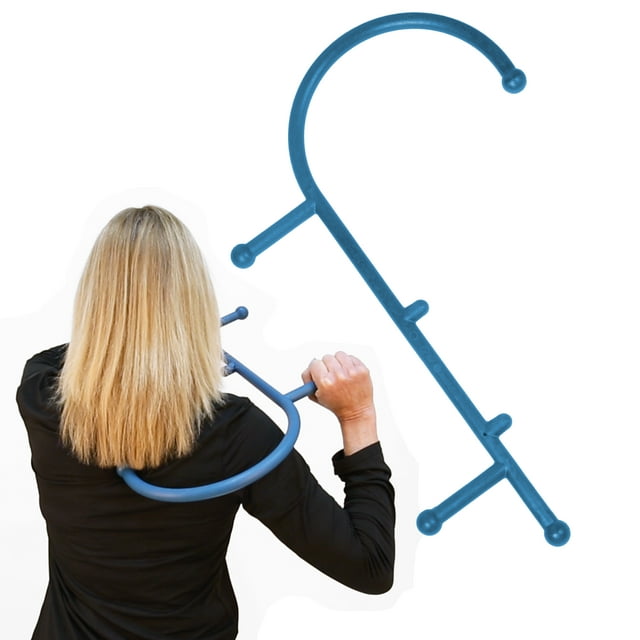
Price snapshot: About $29.99.
Where to buy: BodyMed, Walmart, and medical supply retailers.
Best for: Best multi-point manual tool for people who want several pressure options.
Why I like it: It has several contact points, so you can adjust the angle instead of forcing one position.
How to use it: Start with light pressure and short holds. Release and reassess before doing more.
My caution: Use it slowly. More knobs do not mean more pressure is better.
3. Cozlow Trapezius Trigger Point Massager

Price snapshot: About $30.99.
Where to buy: Cozlow.com and Amazon.
Best for: Best trap-specific tool if you want pressure aimed at the upper traps.
Why I like it: The shape is built for the upper back and neck-adjacent trap area.
How to use it: Start with short pressure holds. Put a towel over it if the nubs feel too sharp.
My caution: This may be too strong for sensitive people. Use less pressure if it irritates you.
4. GOFIT Therapeutic Massage Bar
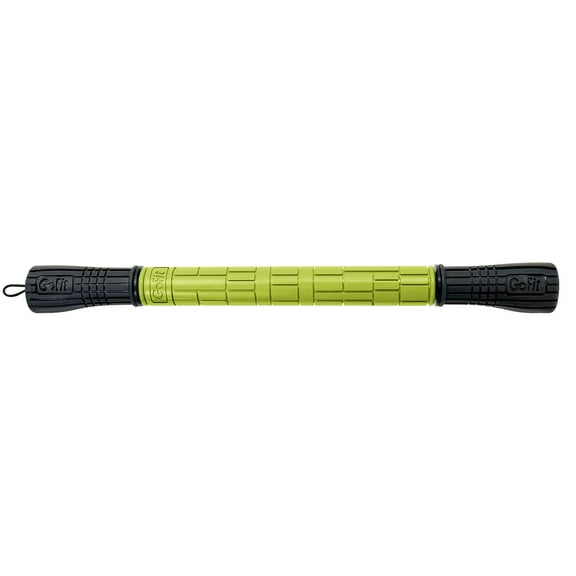
Price snapshot: About $21.99–$29.99 depending on the seller.
Where to buy: Walmart, DICK’S Sporting Goods, Scheels, Big 5, GoFit, and fitness retailers.
Best for: Best broad muscle roller for larger areas.
Why I like it: It is simple, easy to control, and useful before or after stretching.
How to use it: Roll slowly over the upper back, shoulders, arms, calves, or quads.
My caution: This is not my first choice for deep neck trigger points. Do not roll hard over the side or front of the neck.
5. FitRx Shiatsu Pro Back and Neck Massager

Price snapshot: About $49.97, with sale prices changing.
Where to buy: Walmart and FitRx recovery retailers.
Best for: Best heated kneading option.
Why I like it: Shiatsu-style kneading and heat may feel good when traps are tired from desk work, driving, training, or stress.
How to use it: Use short sessions. Start low. Let the device work without forcing your body into it.
My caution: Stop if it feels too strong, leaves you sore, or causes numbness, dizziness, or symptoms down the arm.
6. CVS TRAKK TENS Neck Massager

Price snapshot: About $53.49 at CVS; delivery apps may show around $54.49.
Where to buy: CVS Pharmacy, CVS online, and some delivery apps.
Best for: Best short-term TENS option for people who already tolerate electrical stimulation.
Why I like it: TENS may help some people with short-term pain relief, but it does not fix why the traps are tight.
How to use it: Follow the product directions. Start low and keep sessions short.
My caution: Do not place stimulation on the front of the neck, throat, chest, or near the head unless a clinician guides you. Avoid TENS with a pacemaker or implanted medical device unless your doctor clears it.
7. Therabody Theragun Sense
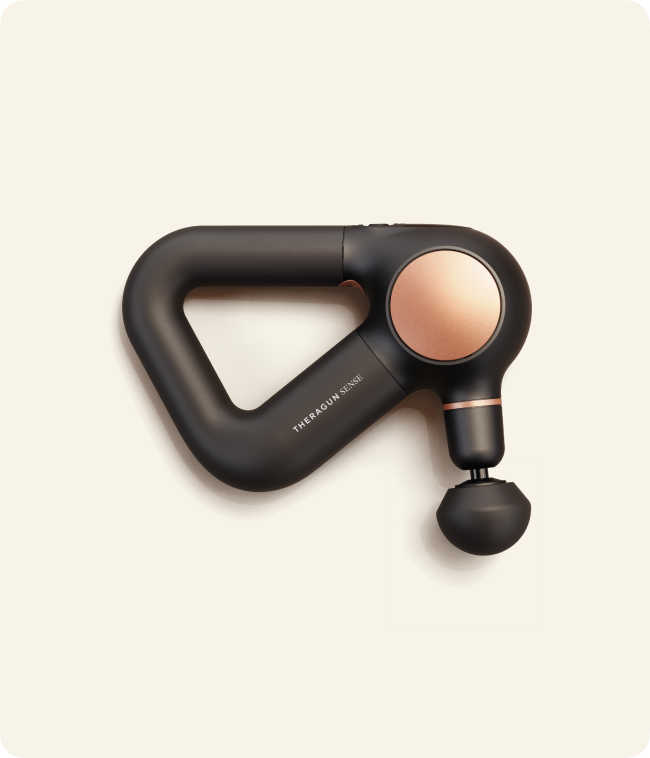
Price snapshot: About $299.99.
Where to buy: Therabody, Target, Best Buy, and other retailers.
Best for: Best premium percussion option for larger muscles.
Why I like it: It can help larger areas feel less stiff and may be useful after training when used lightly.
How to use it: Use the lowest setting near the upper shoulder. Keep it moving and limit time on one area.
My caution: Do not use strong percussion directly on the neck, throat, spine, skull, or bony areas.
8. Iron Neck 3.0 Pro

Price snapshot: About $599.00 for the 3.0 Pro; Iron Neck 3.0 is about $349.00.
Where to buy: Iron Neck, Rogue Fitness, Stringers Lacrosse Shop, and sports performance retailers.
Best for: Best strength-focused option, but only for the right person.
Why I like it: Neck strength and control can matter, especially for some athletes. However, it is not a trigger-point release tool.
How to use it: Use resisted neck training only if your neck tolerates it well and you know what you are doing.
My caution: Do not start with this if you have neck pain, dizziness, headaches, nerve symptoms, instability, or a history of neck injury unless a professional clears you.
My Practical Ranking for Tight Traps
Best low-cost starting point: LiBa Back and Neck Massager.
Best multi-point manual tool: BodyMed Trigger Point Massage Tool.
Best trap-specific tool: Cozlow Trapezius Trigger Point Massager.
Best broad muscle roller: GOFIT Therapeutic Massage Bar.
Best heated kneading option: FitRx Shiatsu Pro Back and Neck Massager.
Best short-term TENS option: CVS TRAKK TENS Neck Massager, only when used safely.
Best premium percussion option: Therabody Theragun Sense, but not directly on the neck.
Best strength-focused option: Iron Neck 3.0 Pro, but only for the right person with the right guidance.
The Bottom Line on Devices
For most people with tight traps and trigger points, I would start simple. A massage cane, trigger point hook, or massage bar is usually enough to test whether self-pressure helps. Then, if you like heat and kneading, a shiatsu massager may be useful.
However, I would be more careful with TENS, percussion guns, and neck strength devices. These tools can help the right person, but they can also irritate symptoms when used too hard, too long, or in the wrong place.
The goal is not to punish your traps. Instead, the goal is to give your neck and shoulders better input, better movement, and enough recovery that the muscles can finally let go.